


Urutaro

In traditional Burundian culture, the Urutaro (plural: Intaro) is a large, flat woven tray used primarily for winnowing and drying grains. It is a fundamental tool of the Burundian household, symbolizing the final stages of the harvest and the preparation of food.

1. Physical Characteristics

The Urutaro is a masterpiece of functional weaving:

  • Structure: It is a wide, circular, or slightly oval tray with a shallow rim.

  • Materials: It is typically woven from sturdy plant fibers like bamboo strips, reeds, or papyrus.

  • Durability: Unlike the delicate Agaseke, the Urutaro is built to be rugged and withstand the weight of heavy grains.

2. Primary Functions

The Urutaro is the “workbench” of the traditional kitchen:

  • Winnowing (Guhura): This is its most famous use. Women toss harvested grains (sorghum, millet, or beans) into the air from the tray. The wind blows away the chaff (husks), while the heavier, clean grain falls back onto the Urutaro.

  • Drying: It is used to spread out grains or sliced tubers in the sun to remove moisture before they are taken to the Urusyo (grinding stone) to be turned into flour.

  • Sorting: It provides a flat surface for picking out small stones or impurities from the harvest before cooking.

3. Cultural & Symbolic Meaning

  • The Reward of Hard Work: While tools like the hoe represent the toil of farming, the Urutaro represents the completion of the work. It is associated with the satisfaction of a successful harvest.

  • Communal Sharing: During celebrations, a large Urutaro might be used as a communal serving platter for traditional foods like roasted corn or peanuts, symbolizing unity and sharing.

  • A Woman’s Expertise: Just as with the Igisabo or Agaseke, the way a woman handled the Urutaro during winnowing—a rhythmic, graceful movement—was often seen as a sign of her capability and domestic skill.

4. Modern Usage

In modern Burundi, the Urutaro is still widely used in rural areas. In the cities, you will see them used:

  • In Markets: Vendors use them to display beans, peanuts, and small dried fish (ndagala).

  • As Decor: Polished and sometimes painted Intaro are used as wall hangings in homes and hotels to add a rustic, traditional touch.

Why Visit Burundi ?

  • Authentic experiences beyond mass tourism
  • Rich blend of nature, culture, and history
  • Safe, welcoming, and peaceful since recent political stabilizations
  • Uncrowded national parks and pristine landscapes
  • Unique cultural encounters and eco-adventures

Publications

Discover the magic of Burundi through our blog posts. We’re bringing you insider tips, cultural deep-dives, and must-see destinations. Your next Great African escape starts with a click.

Karera Waterfalls

The Nyakazu Fault (also known as the German Fault); according to popular legend, the boots of Germans fleeing the…
Gishora Drum Sanctuary

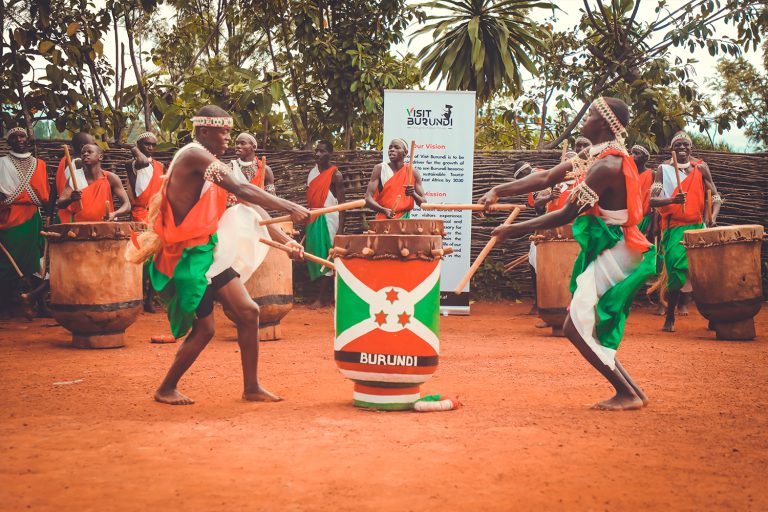
Located in Gitega Province, Gishora is currently the main sanctuary for the royal drums of the former Kingdom of…

The Karera Waterfalls

These falls are divided into five cascades and feature a cave, impressive biodiversity, beautiful scenery, and an aerial bridge.…

We’re Here to Help

Your Burundian adventure starts with a simple conversation. Get in touch for custom itineraries, travel tips, or any help you need to get started.