Traditional Dances of Burundi
The Living Rhythm of a Nation
In the heart of East Africa, Burundi stands out for the depth and diversity of its traditional dances. These dances are not mere performances. They are expressions of identity, emotion, memory, and community. Through movement and rhythm, generations of Burundians have transmitted their history, values, and worldview.
Traditional dance in Burundi reflects every dimension of life: harvest celebrations, rites of passage, victory, courtship, peace, and community unity. Each region of the country has contributed unique styles, rhythms, and techniques, creating a rich mosaic of movement that continues to evolve while remaining deeply rooted in ancestral heritage.
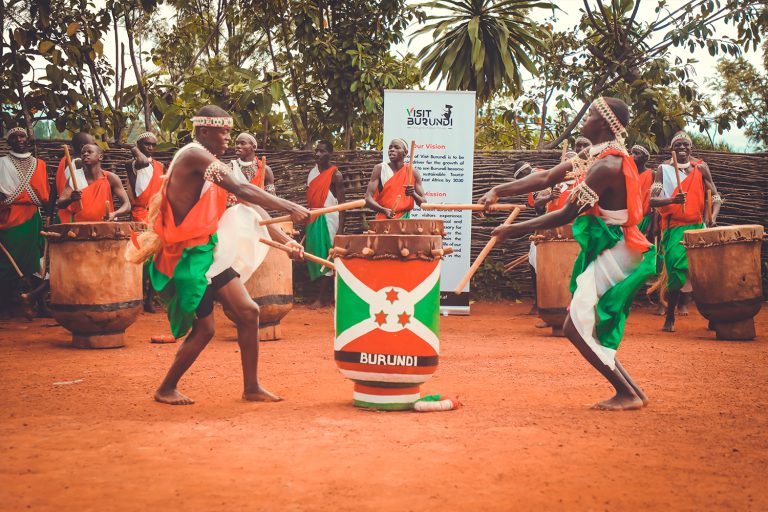
Some dances are powerful and energetic, dominated by rapid footwork and expressive arm movements. Others are graceful and fluid, emphasizing elegance and coordination. Some are performed exclusively by men, others by women, and many bring both together in harmony.
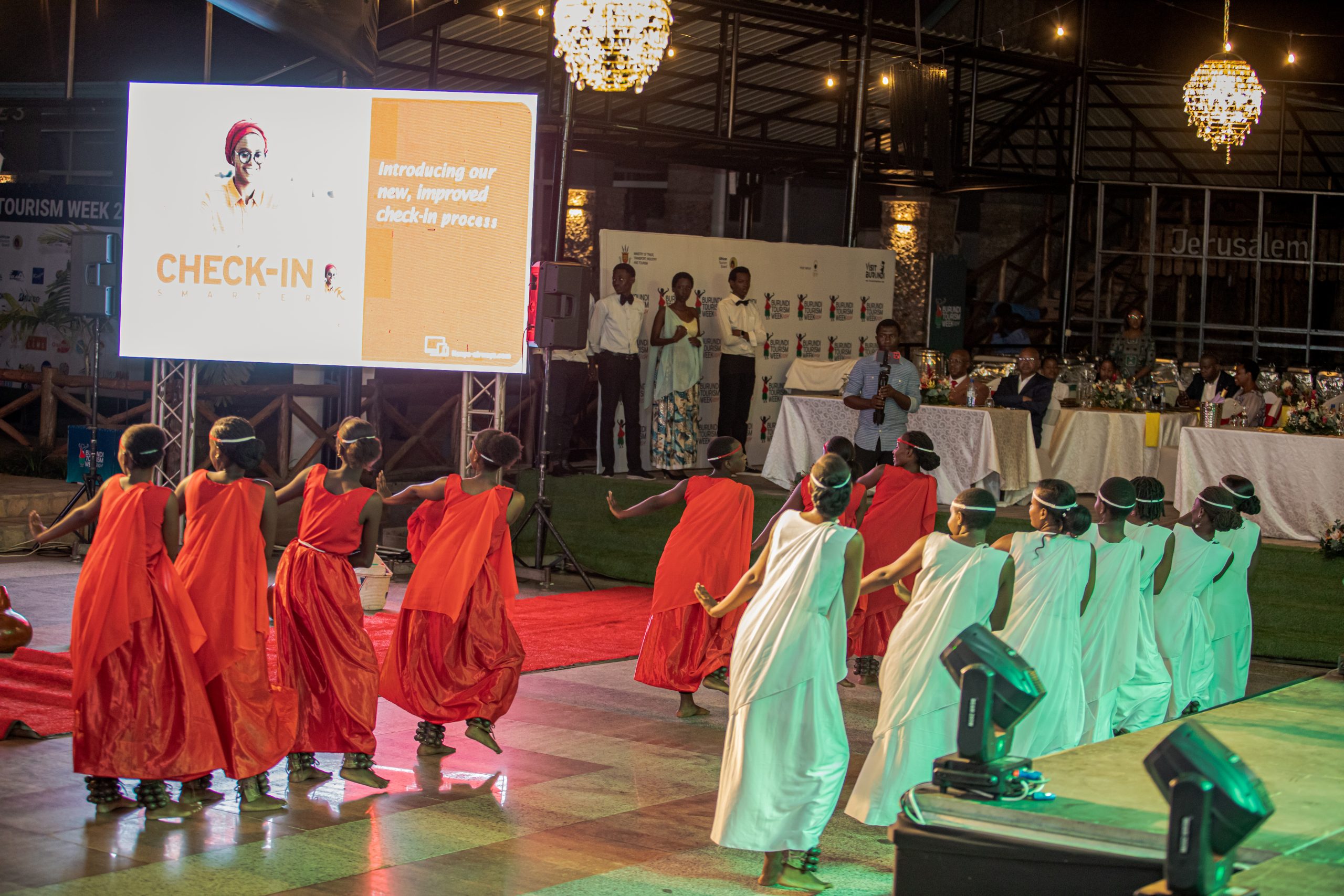
In traditional society, dance was inseparable from music. Drums, flutes (inzamba), ankle bells, and choral singing created a layered soundscape that guided the dancers. Costumes, often incorporating animal skins, woven fabrics, beadwork, or plant fibers, added symbolic meaning to the performance.
Beyond entertainment, dance played a vital social role. It marked agricultural cycles, celebrated births and marriages, honored heroes, and strengthened social bonds. Through dance, communities expressed gratitude, joy, courage, or even satire. It was also a space for youth to demonstrate agility, beauty, and charisma.
Today, traditional dances continue to flourish through cultural troupes, festivals, and national celebrations. They are performed both in rural communities and urban centers, ensuring that cultural knowledge is not lost. Burundian dance groups have represented the country internationally, sharing the nation’s cultural vitality with the world.
Each dance tells a story. Some imitate animals such as cranes or cattle. Others reflect warrior training, agricultural labor, or communal festivities. Together, they form a living archive of Burundi’s cultural intelligence.
In the following sub-sections, you will discover some of the most iconic traditional dances of Burundi — their origins, meanings, costumes, and where they can be experienced today.