Authentic flavors, shared traditions, and the taste of the hills
Burundian cuisine is deeply rooted in the country’s agricultural heritage and communal way of life. It is a cuisine of simplicity and nourishment, shaped by fertile hills, pastoral traditions, and generations of shared meals. In Burundi, food is not merely about sustenance; it is about hospitality, connection, and identity. Every meal reflects the rhythm of rural life, the generosity of families, and the pride of a people closely tied to their land.
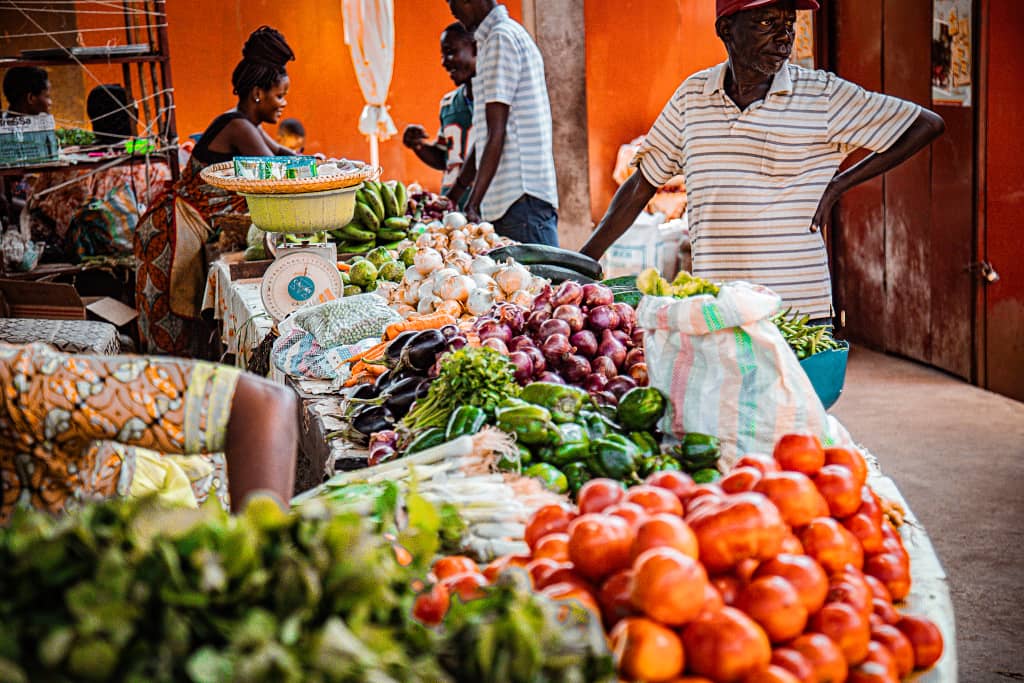
The foundation of Burundian gastronomy lies in locally grown ingredients. Beans, rice, sweet potatoes, cassava, plantains, and maize form the backbone of daily meals. These ingredients are cultivated across the country’s rolling hills and prepared in ways that highlight their natural flavors. In many rural households, meals are still cooked over wood fires, giving dishes a distinctive smoky aroma that enhances their authenticity. Food is often served in large shared plates, reinforcing the culture of togetherness and collective dining that defines Burundian social life.
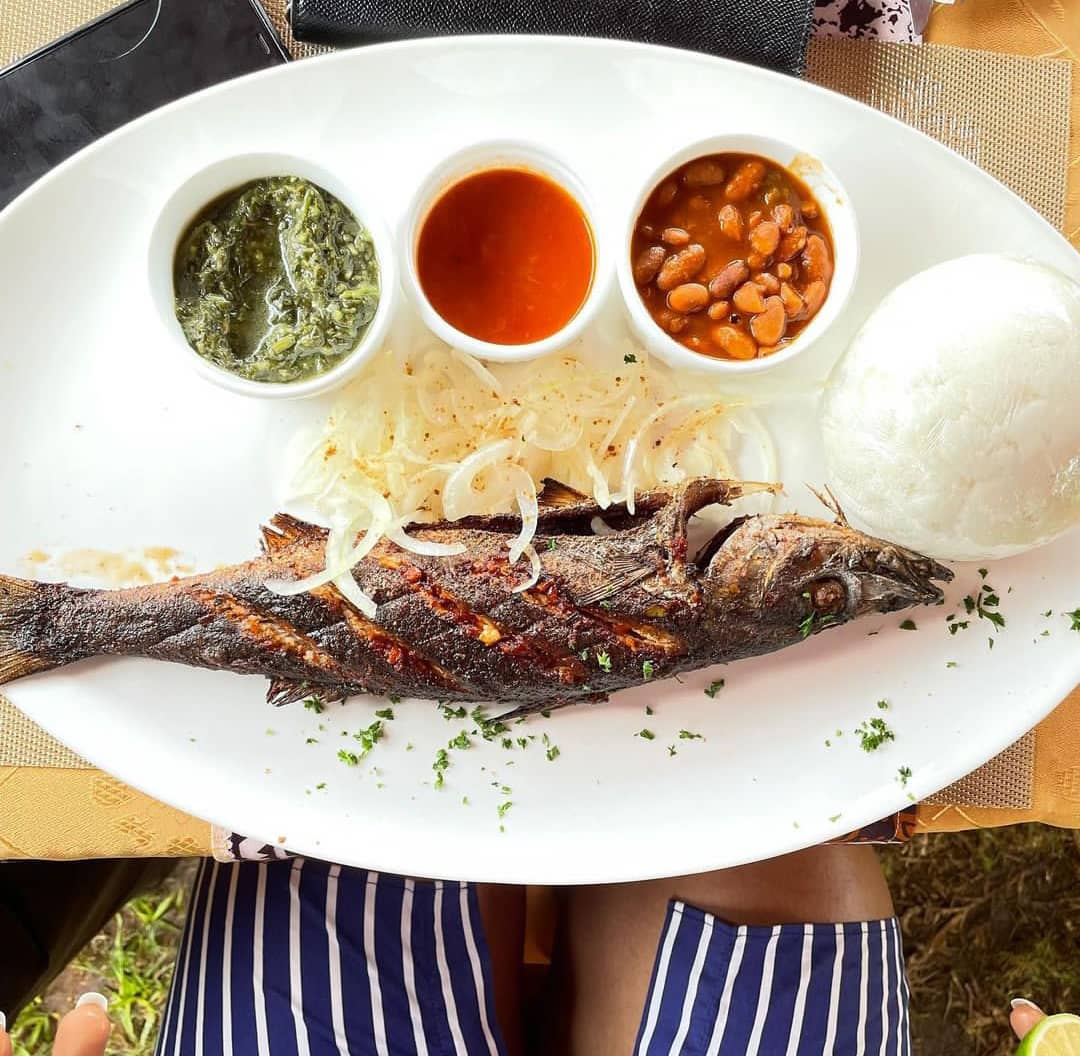
Among the most emblematic dishes is bugali, also known as ubugari, a thick dough made from cassava or maize flour. Soft and filling, it accompanies vegetable stews, fish, or grilled meats. It is eaten by hand and serves as both the centerpiece and complement of the meal. Another national treasure is mukeke, a freshwater fish from Lake Tanganyika. Grilled or prepared in a lightly spiced tomato sauce, mukeke is prized for its delicate flavor and tender texture. It is commonly served with plantains or rice and is considered one of the culinary symbols of the country.
Isombe, made from pounded cassava leaves slowly cooked with palm oil and spices, represents the richness of Burundi’s vegetable-based cuisine. Its creamy texture and earthy taste make it a favorite across the country. Ibihaza, a dish prepared from pumpkin and groundnuts, showcases the natural sweetness of local produce blended with the depth of peanut flavor. During special occasions, dishes such as pilau, a spiced rice influenced by Swahili cuisine, or boko boko harees, a wheat and meat porridge of Arab origin, are prepared to mark celebrations and gatherings.
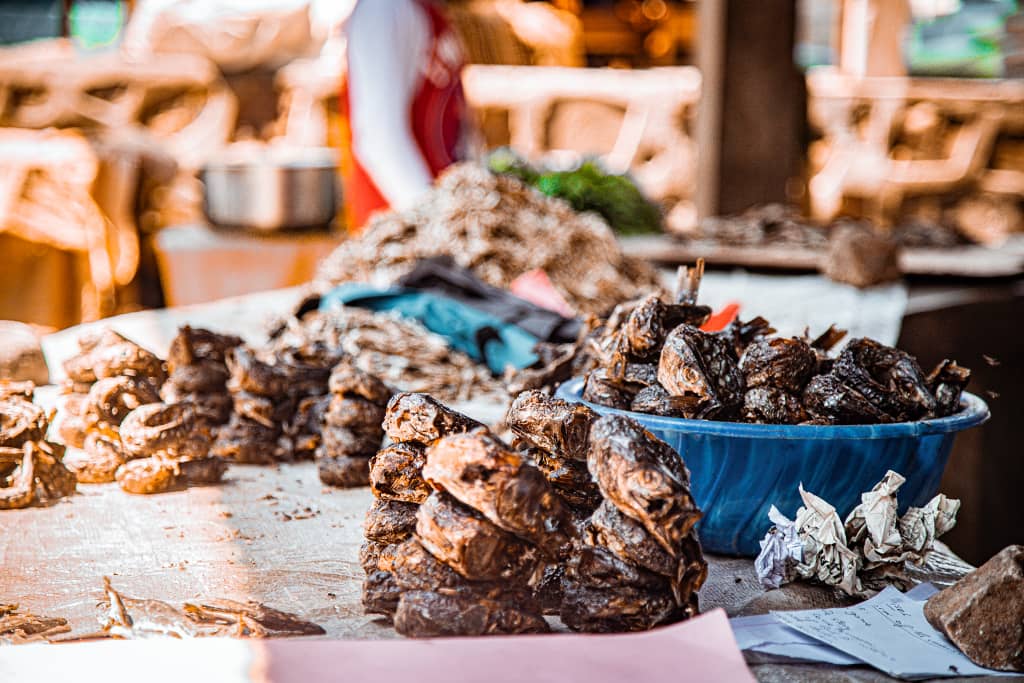
The ingredients themselves tell the story of Burundi’s landscape. Beans provide essential protein and appear in nearly every meal. Cassava, whether as flour, boiled root, or leafy stew, is indispensable. Plantains bring balance with their subtle sweetness, while red palm oil gives depth and color to many traditional sauces. Fresh and smoked fish enrich soups and stews, and local spices such as chili, ginger, and cinnamon add warmth and complexity.
Burundi’s culinary identity has also been shaped by historical exchanges. Trade routes and colonial encounters introduced new cooking techniques and flavors. Belgian and French influences are visible in the country’s coffee culture and certain preparation styles, while Swahili and Arab connections brought spices and rice dishes that remain popular today. In Bujumbura and other urban centers, international restaurants coexist alongside local eateries, offering Italian, Indian, Ethiopian, and French cuisine, reflecting the country’s openness to the world while maintaining its own culinary core.
No exploration of Burundian gastronomy would be complete without mentioning its beverages. Ikivuguto, a fermented milk drink, is cherished for its refreshing and slightly tangy taste. Tamarind juice and bissap, made from hibiscus flowers, are popular refreshments enjoyed throughout the country. Burundi’s high-altitude Arabica coffee is among its most valuable exports, known for its bright acidity and refined flavor. Tea plantations in the northern highlands also produce quality leaves that are consumed locally and abroad.
To experience Burundian cuisine is to experience the country itself. It is to taste the richness of its soil, the freshness of its hills, and the warmth of its people. Whether sharing bugali with a family in the countryside, savoring mukeke by the shores of Lake Tanganyika, or enjoying coffee overlooking green tea fields, gastronomy in Burundi is a journey into authenticity. It is a cuisine that comforts, connects, and quietly tells the story of a nation.