

Urusyo
In traditional Burundian culture, Urusyo is a deeply significant object that represents much more than just a kitchen tool.
1. The Physical Object
An Urusyo is a grinding stone. Specifically, it is the large, flat (or slightly concave) base stone used in tandem with a smaller, hand-held stone called an Ingasire.
Function: Historically, it was the “food processor” of the Burundian home. It was used to grind sorghum (amasaka), millet (uburo), and later maize or cassava into flour to make ubugari (the staple stiff porridge).
Material: It is carved from hard, durable volcanic or river stone to ensure it doesn’t crumble into the food.
2. The Cultural Symbolism
Beyond grinding grain, the Urusyo holds a sacred place in the Burundian household:
The Heart of the Home: In traditional society, the grinding stone was the center of a woman’s domain. The sound of the grinding stone early in the morning was a sign of a “living” and healthy home where the mother was providing for her family.
Womanhood and Marriage: When a young woman got married, the Urusyo was often part of the essential items she would need. It symbolized her transition into a provider and the pillar of her new household.
Social Connection: Grinding was labor-intensive, so women often gathered to grind grain together, using the time to share stories, news, and traditional songs. It was a space for oral history and community bonding.
3. The “Urusyo” in Proverbs and Language
The word is so embedded in the culture that it appears in Kirundi proverbs and metaphors:
Hardship and Strength: Because the stone must be hard to do its job, it is sometimes used as a metaphor for resilience.
Stability: The Urusyo is heavy and stationary. It represents something that is grounded and unchanging.
4. Modern Usage
Today, while modern electric mills (called isigo) have replaced the manual grinding stone in many cities and villages, the Urusyo is still kept in many homes as a heritage piece. You will also see it used decoratively in cultural centers, high-end Burundian restaurants, and during traditional wedding ceremonies (Gushyingira) to honor the ancestors.
Fun Fact: If you visit a traditional “living museum” like the Musée Vivant in Bujumbura, you can often see a demonstration of how the Urusyo and Ingasire are used together!
Why Visit Burundi ?
- Authentic experiences beyond mass tourism
- Rich blend of nature, culture, and history
- Safe, welcoming, and peaceful since recent political stabilizations
- Uncrowded national parks and pristine landscapes
- Unique cultural encounters and eco-adventures
Publications
Discover the magic of Burundi through our blog posts. We’re bringing you insider tips, cultural deep-dives, and must-see destinations. Your next Great African escape starts with a click.

Karera Waterfalls
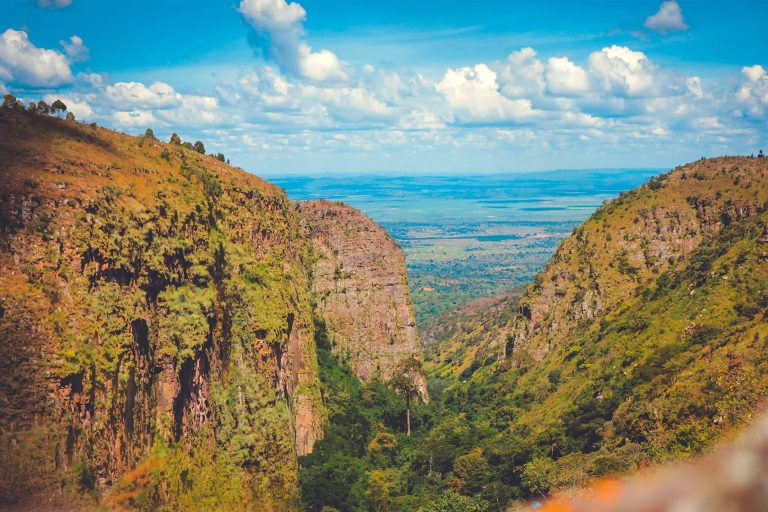
The Nyakazu Fault (also known as the German Fault); according to popular legend, the boots of Germans fleeing the…
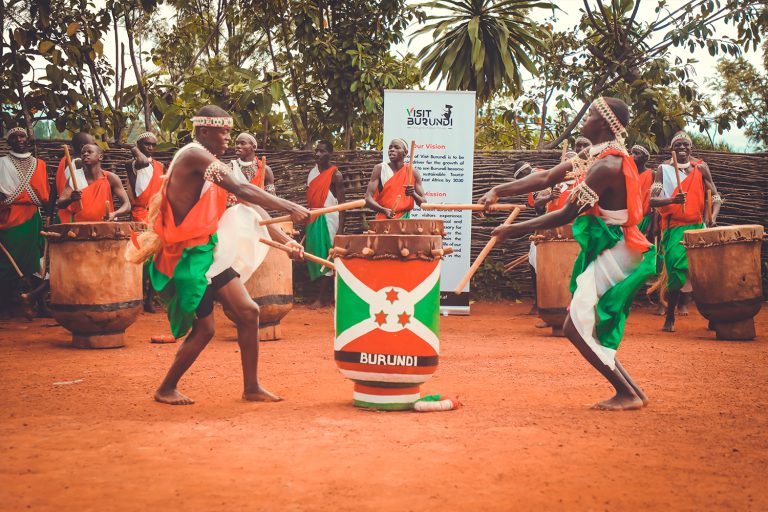
Gishora Drum Sanctuary
Located in Gitega Province, Gishora is currently the main sanctuary for the royal drums of the former Kingdom of…
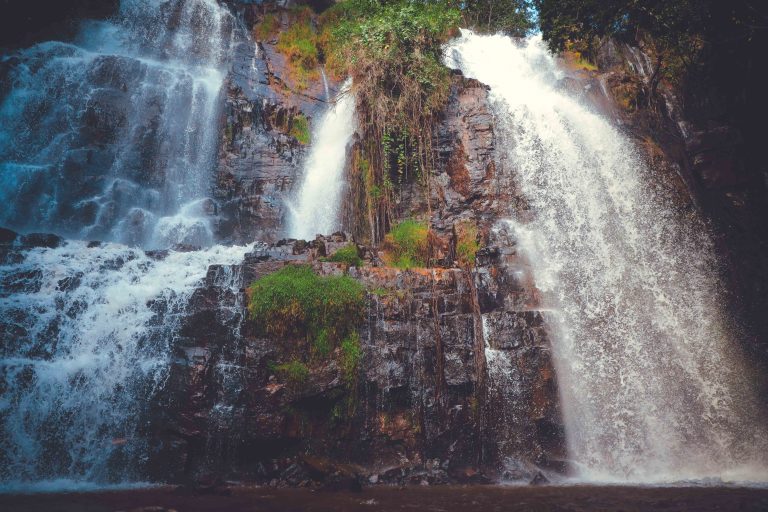
The Karera Waterfalls
These falls are divided into five cascades and feature a cave, impressive biodiversity, beautiful scenery, and an aerial bridge.…
We’re Here to Help
Your Burundian adventure starts with a simple conversation. Get in touch for custom itineraries, travel tips, or any help you need to get started.

