
About Burundi

The Land of Royal Drums & Timeless Beauty

General Overview

Aspect

Details

Location

Burundi is a small, landlocked country in East Africa, bordered by Rwanda (North), Tanzania (East & South), DR Congo (West), and Lake Tanganyika.

Political Capital

Gitega (since 2019)

Economic Hub

Bujumbura – Burundi’s largest city and port on Lake Tanganyika.

Population (2025)

Approx. 13.4 million (2025 est.)

Ethnic Groups

Hutu, Tutsi, Twa

Languages

Official: Kirundi, French, English. Common: Swahili (trade/lakeside)

Currency

Burundian Franc (BIF)

Religion

Predominantly Christian (Roman Catholic & Protestant), with Islamic and indigenous spiritual beliefs


Geography & Nature

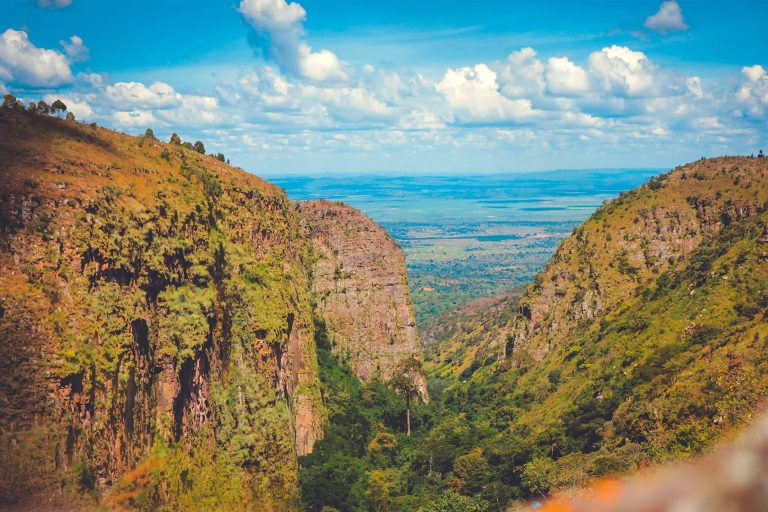
Burundi sits in the Albertine Rift of the Great Rift Valley, with a high-altitude terrain averaging 1,500–2,000 meters. Natural assets include:

  • Kibira National Park: Tropical rainforest; chimpanzee habitat.
  • Rusizi National Park: Hippos, crocodiles, and migratory birds.
  • Ruvubu National Park: Savannah landscape with varied wildlife.
  • Source of the Nile (Rutovu): Geographical and symbolic landmark.
  • Lake Tanganyika: One of the world’s deepest lakes; rich in biodiversity.

Climate : Moderate equatorial highland climate with an average temperature of 17–28°C.
Dry season: June–September (best time to visit).

Economy & Development Trends

Key Sectors

Highlights

Agriculture

Employs ~85% of population. Major crops: coffee, tea, bananas, cassava.

Tourism (Emerging)

Growing eco- and cultural tourism sector with investments in community-based and green tourism.

Hydropower

Significant government push for renewable energy (e.g. Jiji-Mulembwe hydro project operational).

Digitalization

Expansion of mobile money, e-governance, and youth digital startups in Bujumbura and Gitega.

Top Tourism Attractions

 Natural & Scenic Wonders

  • Lake Tanganyika: Beach resorts, sunset cruises, kayaking, sport fishing.
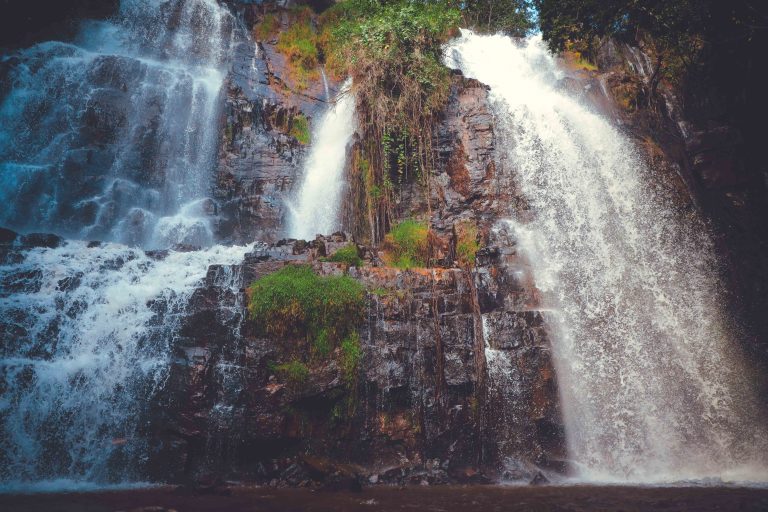
  • Karera Falls (Rutana): Multi-tiered waterfall in lush highlands.
  • Mount Heha (2,684m): Highest peak – panoramic hiking trails.
  • Lake Rwihinda (Kirundo): Birdwatching paradise.

Culture & Heritage

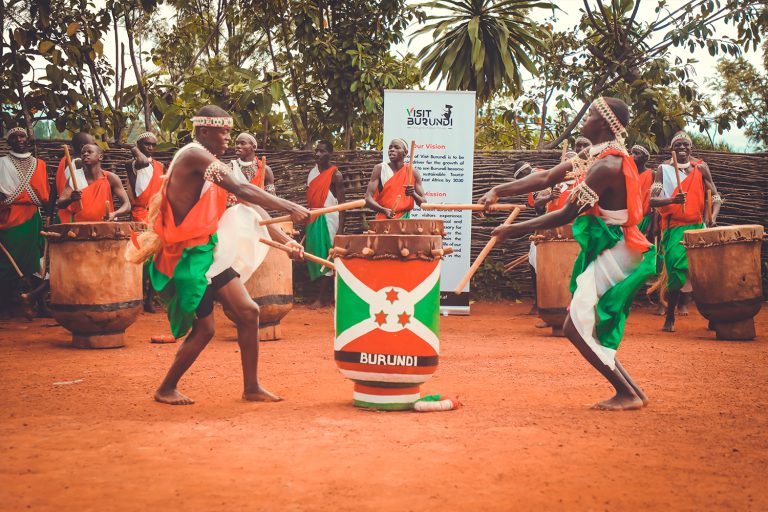
  • The Royal Drummers of Burundi: UNESCO-listed intangible heritage.
  • Gishora Drum Sanctuary: Living royal tradition.
  • Traditional Dances & Storytelling: Integral to daily and ceremonial life.
  • Burundi Arts Festival (Bujumbura): Annual showcase of music, crafts & cuisine.

Historic & Spiritual Sites

  • Livingstone-Stanley Monument (Mugere): Explorer legacy on Lake Tanganyika.
  • Gitega National Museum: Traditional life, monarchy, colonial artifacts.

Ancient Sacred Hills (Muramvya & Gitega): Royal court sites & spiritual shrines.

Outdoor & Eco-Adventures

Activity

Location/Details

Hiking & Nature Trails

Kibira NP, Mount Heha, Vyanda Forest

Water Activities

Kayaking, canoeing, swimming in Lake Tanganyika, Rusizi boat tours

Community Walks

Rural village visits, crafts workshops, drumming lessons

Wildlife & Bird Safaris

Ruvubu & Rusizi Parks

Off-Road Safaris

Muramvya highlands, tea plantations, Ngozi trails

Eco-Lodges & Farmstays

Gishora, Kirundo, Mwaro hills


Gastronomy of Burundi

Burundian cuisine emphasizes fresh, local, and seasonal ingredients.

  • Ugali (Ubugali) with vegetables or sauce
  • Red beans with palm oil and onions
  • Tilapia and fried fish (Tanganyika specialties)
  • Isombe: Cassava leaves in peanut sauce
  • Brochettes: Grilled skewers (goat or beef)
  • Tropical fruits: Pineapple, papaya, banana, avocado
  • Urwarwa: Fermented banana beer – traditional celebratory drink

Culture & Community

Aspect

Description

Social Fabric

Strong communal ties based on “colline” (hill) communities.

Dress & Fashion

Imvutano (ceremonial), Ibitenge (daily wrap), modern styles in urban areas.

Spirituality

Blend of Christianity, Islam, and ancestral traditions.

Languages

Kirundi is spoken universally. French & English used in education and governance. Swahili in commerce.

Storytelling

Proverbs, folktales, riddles passed orally through generations.

Weather by Region – Tips for Travelers

Region

Weather

Travel Tip

Bujumbura

Warm & humid (avg. 26–30°C)

Bring light, breathable clothing.

Gitega/Highlands

Cooler, especially at night (avg. 17–22°C)

Light jacket needed.

National Parks

Can be misty or wet, especially during rainy season.

Waterproof shoes, light hiking gear.

Why Visit Burundi ?

  • Authentic experiences beyond mass tourism
  • Rich blend of nature, culture, and history
  • Safe, welcoming, and peaceful since recent political stabilizations
  • Uncrowded national parks and pristine landscapes
  • Unique cultural encounters and eco-adventures

Publications

Discover the magic of Burundi through our blog posts. We’re bringing you insider tips, cultural deep-dives, and must-see destinations. Your next Great African escape starts with a click.

Karera Waterfalls

The Nyakazu Fault (also known as the German Fault); according to popular legend, the boots of Germans fleeing the…
Gishora Drum Sanctuary

Located in Gitega Province, Gishora is currently the main sanctuary for the royal drums of the former Kingdom of…
The Karera Waterfalls

These falls are divided into five cascades and feature a cave, impressive biodiversity, beautiful scenery, and an aerial bridge.…

We’re Here to Help

Your Burundian adventure starts with a simple conversation. Get in touch for custom itineraries, travel tips, or any help you need to get started.