


Igisabo

In traditional Burundi, the Igisabo is a traditional calabash or wooden gourd used as a milk churn. It is one of the most sacred and culturally significant objects in a Burundian household, representing the deep connection between the people and their cattle.

1. The Physical Object

The Igisabo is usually made from a large, dried gourd (calabash) or carved from a specific type of light wood.

  • The Shape: it has a wide, rounded base and a long, narrow neck.

  • The Stopper: The mouth is often sealed with a beautifully woven stopper called an Ipfundiko.

  • The Agitator: Inside, a wooden stick with a cross-piece at the end is used to shake or swirl the milk to separate the butter.

2. The Sacred Role of Milk

In old Burundi, cattle (the Inyambo) were the ultimate sign of wealth and status. Because the Igisabo transformed raw milk into butter (amavuta), it was treated with immense respect.

  • The “Churning” Ritual: Churning milk was traditionally a task for the woman of the house or the daughters. It was done with a specific rhythmic rocking motion, often accompanied by soft songs or prayers for the health of the cows.

  • The Butter: The butter produced in the Igisabo was used for food, but also as a cosmetic for the skin and to treat leather clothing.

3. Cultural Symbolism

  • Abundance and Prosperity: A full Igisabo symbolized a home that was blessed and prosperous. To have “butter on one’s face” was a metaphor for living a life of ease and wealth.

  • The Life Cycle: The Igisabo was often involved in birth and marriage rituals. In some traditions, it was placed near a newborn to symbolize the “nourishment” the child would receive from the community.

  • Purity: The gourd had to be kept meticulously clean, often being “smoked” with specific aromatic woods to preserve the milk and give the butter a distinct flavor.

4. Modern Importance

Today, while modern dairy processing has taken over, the Igisabo remains a powerful cultural icon:

  • Traditional Weddings: It is still used as a ceremonial gift or a decorative piece to honor the bride’s heritage.

  • Art and Dance: In traditional Burundian dance, women often perform movements that mimic the graceful rocking of the Igisabo.

Why Visit Burundi ?

  • Authentic experiences beyond mass tourism
  • Rich blend of nature, culture, and history
  • Safe, welcoming, and peaceful since recent political stabilizations
  • Uncrowded national parks and pristine landscapes
  • Unique cultural encounters and eco-adventures

Publications

Discover the magic of Burundi through our blog posts. We’re bringing you insider tips, cultural deep-dives, and must-see destinations. Your next Great African escape starts with a click.

Karera Waterfalls

The Nyakazu Fault (also known as the German Fault); according to popular legend, the boots of Germans fleeing the…
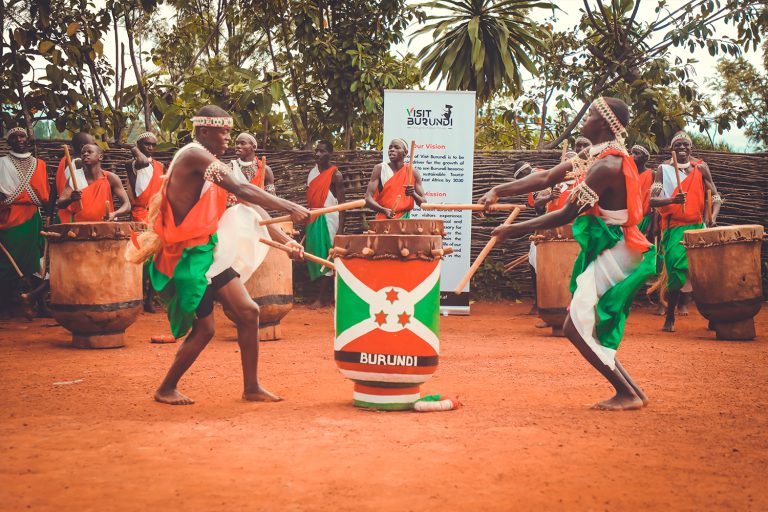
Gishora Drum Sanctuary

Located in Gitega Province, Gishora is currently the main sanctuary for the royal drums of the former Kingdom of…

The Karera Waterfalls

These falls are divided into five cascades and feature a cave, impressive biodiversity, beautiful scenery, and an aerial bridge.…

We’re Here to Help

Your Burundian adventure starts with a simple conversation. Get in touch for custom itineraries, travel tips, or any help you need to get started.