


Inkono
In traditional Burundian culture, Inkono refers to a clay pot. Much like the Urusyo (grinding stone), the Inkono is far more than just a kitchen utensil; it is a symbol of life, hospitality, and the “hearth” of a Burundian home.
1. The Physical Object
An Inkono is handcrafted from local clay (ibumba), shaped by hand (traditionally by specialized potters, often from the Twa community), and fired in a pit.
Design: It typically has a rounded bottom and a flared rim. It doesn’t have handles, so it is often moved using a Kata (a woven grass ring used to balance the pot on the head or stabilize it on the floor).
Types:
Inkono y’inkoko: A pot specifically for cooking food (beans, tubers, or ubugari).
Inkono y’itabi: A small clay pipe used for smoking tobacco.
Inkono y’inzoga: A large vessel used for fermenting or serving traditional banana beer (urwarwa) or sorghum beer (impeke).
2. The Cultural Symbolism
The Source of Life: Because the Inkono holds the food that feeds the family, it is seen as the “womb” of the house. In many Burundian traditions, the cooking pot must never be completely empty, as an empty pot symbolizes poverty or a lack of blessings.
Hospitality & Sharing: In Burundi, sharing a meal or a drink from the same Inkono is a sign of deep trust and brotherhood. When people drink impeke (sorghum beer) together using long straws (imigano) from a single large clay pot, it signifies that there is no “poison” or “ill will” between them.
The Marriage Connection: During traditional wedding ceremonies, the bride’s ability to manage the “hearth” (the three stones and the Inkono) was a sign of her maturity and her role as the new pillar of the family.
3. Spiritual and Ritual Use
Ancestral Offerings: In the ancient Kubandwa rituals (dedicated to the spirit Kiranga), specific clay pots were used to hold sacred water or beer for offerings.
Medicine: Traditional healers often used specific small Inkono to boil medicinal herbs, believing the clay added a grounding, natural energy to the cure.
4. “Inkono” in Daily Language
The word is frequently used in Kirundi proverbs and metaphors:
“Inkono ishyize kumpande”: Literally meaning “the pot is on the side,” this is an idiom used to say that food is ready or that a situation has reached its conclusion.
Stability: Because clay pots are fragile but essential, they represent the “delicate balance” of a home—something that must be handled with care and respect.
Modern Context
While many Burundian homes now use aluminum or stainless steel pots (isafuriya) for daily cooking because they are more durable, the Inkono remains the preferred vessel for:
Traditional Beer: Many claim the beer tastes better and stays cooler in clay.
Ceremonies: You will always see large clay pots at “Dot” (Dowry) ceremonies or traditional festivals.
Decor: High-end hotels in Bujumbura (like the ones we discussed!) often use beautifully polished Inkono as vases or decorative pieces to showcase Burundian heritage.
Why Visit Burundi ?
- Authentic experiences beyond mass tourism
- Rich blend of nature, culture, and history
- Safe, welcoming, and peaceful since recent political stabilizations
- Uncrowded national parks and pristine landscapes
- Unique cultural encounters and eco-adventures
Publications
Discover the magic of Burundi through our blog posts. We’re bringing you insider tips, cultural deep-dives, and must-see destinations. Your next Great African escape starts with a click.

Karera Waterfalls
The Nyakazu Fault (also known as the German Fault); according to popular legend, the boots of Germans fleeing the…
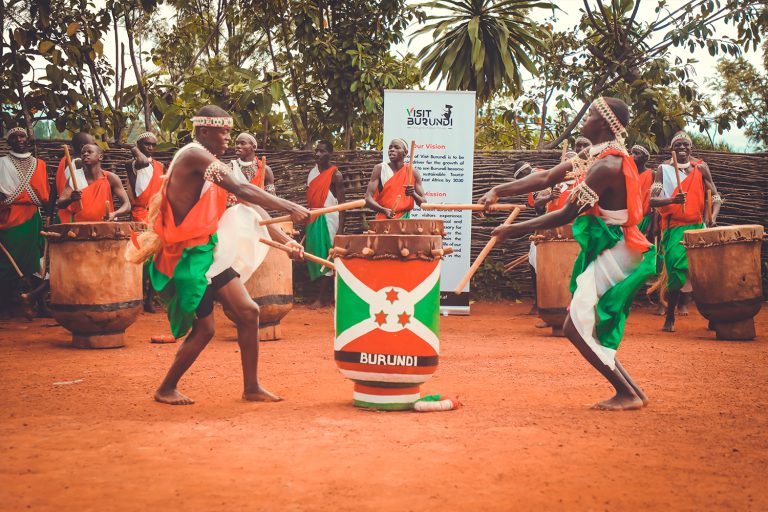
Gishora Drum Sanctuary
Located in Gitega Province, Gishora is currently the main sanctuary for the royal drums of the former Kingdom of…

The Karera Waterfalls
These falls are divided into five cascades and feature a cave, impressive biodiversity, beautiful scenery, and an aerial bridge.…
We’re Here to Help
Your Burundian adventure starts with a simple conversation. Get in touch for custom itineraries, travel tips, or any help you need to get started.

